


Call Us
+86-15957403707
Email Us
lydia@tree-sun.com
Bamboo Toothbrushes in the Hospitality Industry: Material Selection, Guest Experience, and Environmental Compliance
Hotel disposable toothbrushes are a major source of plastic waste. A single plastic toothbrush takes over 400 years to decompose in nature. For a 100-room hotel, more than 3,000 plastic toothbrushes are discarded every year from that one item alone. These are not small numbers.
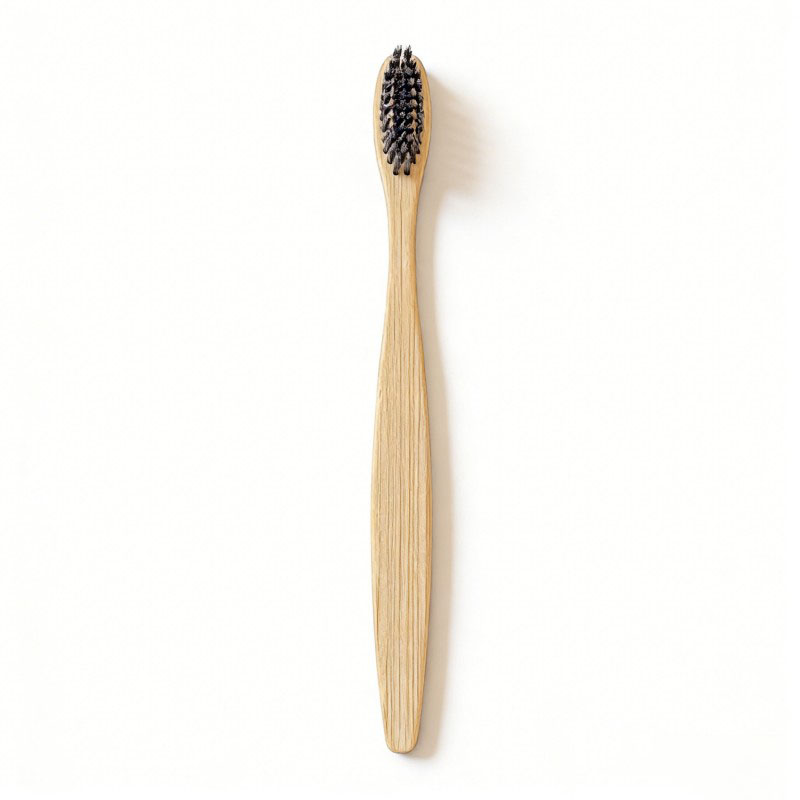
Bamboo toothbrushes offer an alternative. With a handle made from natural Moso bamboo and bristles that can be recyclable or biodegradable, the entire product can return to soil within months. But sourcing bamboo toothbrushes for a hotel is not simply about "switching plastic to bamboo." Surface smoothness, presence of splinters, bristle firmness for different guest profiles, and packaging that meets eco-certification requirements—these are real operational concerns.
Why Bamboo Toothbrushes Deserve Attention in the Hospitality Industry
Hotel toothbrushes have a unique use pattern: guests typically use them only once or twice, but the toothbrush must appear clean, feel comfortable, and be safe to use. Meanwhile, hotels must consider procurement costs, storage conditions, and their environmental image.
Impact on Plastic Reduction and Eco-Certifications
The degradation period for a plastic toothbrush is over 400 years. A Moso bamboo handle decomposes in natural soil within 3 to 6 months. For a 100-room hotel, replacing all plastic toothbrushes in guestrooms with bamboo alternatives reduces plastic waste by more than 3,000 toothbrushes per year. Across a hotel group with multiple properties, the cumulative plastic reduction is substantial.
More importantly, bamboo toothbrushes help hotels meet green certification requirements. International eco-labels such as Green Key, EarthCheck, and LEED include significant scoring for reducing single-use plastics. Choosing bamboo toothbrushes is not just an added feature—it is a necessary condition for achieving certain certification levels.
Suitability Across Different Hotel Guest Segments
High-end hotels require higher tactile quality for guest amenities. Bamboo toothbrush handles must be finely polished with no splinters or rough edges; otherwise, the first use could cause mouth irritation. Mid-range and economy hotels focus more on cost and durability. For elderly guests or children, bristle firmness and brush head size also require special consideration—bristles that are too hard may damage gums, while bristles that are too soft provide insufficient cleaning.
Key Specifications of Bamboo Toothbrushes
A qualified hotel-grade bamboo toothbrush is defined by several hard parameters, not simply by being made of bamboo.
Handle Material, Bristle Type, and Dimensions
The main specifications of the Tingsheng hotel bamboo toothbrush are summarized below:
| Parameter | Specification | Note |
|---|---|---|
| Product name | Hotel Bamboo Toothbrush | Designed for hospitality use |
| Handle material | 100% natural Moso bamboo | From natural bamboo forests |
| Bristle type | Medium / soft, BPA-free | DuPont nylon bristles |
| Length | 14.5 cm | Custom lengths available |
| Weight per unit | 18 grams | Lightweight design |
| Packaging | Recycled kraft paper box / paper bag | Custom options available |
| Logo customization | Yes | Laser engraving or printing |
| Handle finish | Hand-polished | Splinter-free, no sharp edges |
The table shows that this toothbrush is positioned as lightweight (18 grams) and customizable. The 14.5 cm length is a common hotel specification, easy to grip and compatible with standard amenity packaging.
Material Sourcing and Sustainability
Moso bamboo is the most common raw material for bamboo toothbrushes. Its growth rate is remarkable—under suitable conditions, it can grow up to one meter per day. It requires no fertilizer or pesticides, and after harvesting, it regenerates from its own root system without replanting. This stands in sharp contrast to plastic toothbrushes, which depend on petroleum-based raw materials and are non-renewable.
Tingsheng sources bamboo with FSC (Forest Stewardship Council) certification. This means the raw material comes from responsibly managed bamboo forests, not from clear-cutting or illegal harvesting. For hotels sourcing bamboo toothbrushes, this is also important—guests increasingly question the authenticity of "eco-friendly" claims, and an FSC label provides verifiable trust.
Bristle Material and Safety Standards
Bristles are the most scrutinized part of a bamboo toothbrush. The natural bamboo handle is biodegradable, but if the bristles are standard nylon, they will not decompose quickly in natural environments. The current industry standard uses BPA-free DuPont nylon bristles, balancing safety and cleaning effectiveness. Higher-end products use castor oil-based bio-nylon bristles, which offer better biodegradability but at a higher cost.
Tingsheng products use medium-soft bristles, a firmness between medium and soft, suitable for most adults and also gentle on sensitive gums. The bristles are end-rounded, with smooth tips that do not scratch gum tissue.
Antibacterial Properties and Surface Finish
Bamboo naturally contains an antibacterial agent often referred to as "bamboo kun" in Chinese literature. This substance naturally exists in bamboo and has some inhibitory effect on bacteria and mold. It should be noted that this natural antibacterial property is not equivalent to disinfection or sterilization. Bamboo toothbrushes still need to be stored dry and cannot replace artificial disinfection.
A more practical specification is surface smoothness. Tingsheng products are hand-polished to achieve a splinter-free finish. This is critically important in hotel settings—the guest's first tactile experience upon unwrapping the toothbrush is the handle. Any roughness or splinters directly lower the experience rating.
Selection and Hotel Fitment
Choosing Bristle Firmness by Hotel Positioning
- High-end hotels: Soft or medium-soft bristles, paired with refined packaging and custom logos.
- Mid-range hotels: Medium-soft bristles as a universal choice, balancing comfort and cleaning power.
- Economy hotels / boutique guesthouses: Medium bristles or standard softness, focusing on cost control and basic functionality.
Matching Packaging to Eco-Certification Requirements
Different green hotel certifications have different requirements for single-use amenity packaging. Green Key focuses more on plastic reduction. EarthCheck includes more detailed lifecycle assessments. Tingsheng offers two packaging options: recycled kraft paper boxes and paper bags. The former offers a higher-end feel suitable for mid-to-high-end hotels, while the latter is simpler and lighter for bulk procurement.
Logo customization can be done through laser engraving or printing. Laser engraving is more environmentally friendly (no ink waste) but limited to monochrome. Printing can achieve full-color logos, but the ink must be verified to meet the hotel's environmental standards.
Common Issues in Bulk Procurement
In actual hotel use, the following issues occur most frequently:
- Mold growth on bamboo toothbrushes: Bamboo is a natural material. If stored in humid conditions (for example, warehouses near bathing areas), mold can indeed develop. The solution is to require moisture-resistant treatment from the supplier while ensuring dry, ventilated storage conditions within the hotel. In guestrooms, bamboo toothbrushes should be displayed in breathable packaging or holders, not sealed long-term in closed containers.
- Bristle shedding or deformation: This usually results from bristle anchoring quality or bristle material. A qualified bamboo toothbrush should not shed bristles during normal use of one or two uses. Request samples for testing before bulk procurement.
- Handle cracking: Under extremely dry conditions or environments with rapid temperature and humidity changes, bamboo may develop fine cracks. Choosing bamboo that has been properly kiln-dried reduces this risk.
Manufacturing Capability and Quality Control
Ningbo Tingsheng was established in 1998 and operates its own factory of over 1,000 square meters in Ningbo. The company holds multiple international certifications including FSC (forest management), ISO (quality management), ROHS (restriction of hazardous substances), IFS (international food standard), and GOTS (global organic textile standard). These certifications are not decorative—IFS and GOTS have very strict audit standards, and there are relatively few bamboo and wood product manufacturers that hold both.
The company's product lines cover oral care (bamboo toothbrushes, tongue scrapers), beauty and bath (bamboo combs, bamboo cotton swabs, soap bags, natural sponges), and eco-kitchen items (beeswax wraps, dish cloths, bamboo spatulas), among other categories. Annual exports exceed one billion dollars, with major markets in Europe, North America, and Asia.
In product development, Tingsheng has its own design team and can customize toothbrush color, logo, packaging format, and bristle configuration according to hotel brand identity. Minimum order quantities are flexible and negotiable for hotels and buyers of different scales.
Cost and Overall Value
The unit cost of a bamboo toothbrush is typically 30% to 50% higher than that of a comparable plastic toothbrush. However, hotels need to consider not just unit price, but also brand image, eco-certification points, and actual guest experience.
A realistic observation: a growing number of international hotel groups have set targets to eliminate single-use plastic amenities by 2025 or 2030. Hilton, Marriott, InterContinental, and others have announced such plans. Driven by these targets, bamboo toothbrushes are shifting from "optional" to "mandatory." Switching to bamboo toothbrushes early helps hotels avoid future rushed supplier changes or procurement risks.
For independent boutique hotels or eco-positioned guesthouses, bamboo toothbrushes represent a tangible, guest-visible environmental action—more convincing than abstract slogans.
Key Takeaways
- The core selection parameters for a bamboo toothbrush are: handle material sourcing, bristle material and firmness, surface finish quality, and packaging recyclability.
- A natural bamboo handle decomposes in soil within 3 to 6 months, compared to over 400 years for a plastic toothbrush.
- Certifications such as FSC, ISO, and GOTS are not decorations—they are verifiable evidence of supplier sourcing and quality control.
- Hotels sourcing bamboo toothbrushes need to pay particular attention to warehouse humidity control and guestroom display conditions.
- The unit cost of a bamboo toothbrush is higher than plastic, but considering hotel environmental targets and brand image, the overall value proposition is clear.
Frequently Asked Questions
Are bamboo toothbrush bristles biodegradable?
Standard nylon bristles do not biodegrade quickly in natural environments. The fully biodegradable option is castor oil-based bio-nylon, but it comes at a higher cost. The primary environmental contribution of a bamboo toothbrush is the handle; bristle technology is still evolving.
Do bamboo toothbrushes develop mold?
Not under dry conditions. If stored long-term in humid environments (relative humidity above 70%), mold may grow on the bamboo surface. Hotels should ensure storage warehouses are dry and well-ventilated.
Are bamboo toothbrushes suitable for all guests?
Medium-soft bristles suit the vast majority of adults. If a hotel's guest profile includes many elderly guests or children, it is worth stocking a batch of soft-bristle models as a supplement.
How can I verify a supplier's bamboo sourcing compliance?
Request the FSC certificate directly. FSC-certified bamboo can be traced to specific bamboo forest management units and is currently the most rigorous internationally recognized standard.
What is the shelf life of a bamboo toothbrush?
Under dry, dark storage conditions, bamboo toothbrushes can be stored for 18 to 24 months without deterioration. Beyond this period, bamboo may become brittle due to natural aging
Previous:No News
Send Inquiry



X
We use cookies to offer you a better browsing experience, analyze site traffic and personalize content. By using this site, you agree to our use of cookies.
Privacy Policy
News
 Bamboo Toothbrush: A Dual Choice for Environmental Protection and Health2025/03/08
With the increasing global awareness of environmental protection, bamboo toothbrushes have gradually gained popularity among consumers as a sustainable oral care product.
 How Does a Tongue Scraper Work and How Should You Choose the Right One?2026/07/29
That white coating on your tongue? Brushing alone won't remove it—this is the first thing most people realize when they try a tongue scraper for the first time. The tongue's surface is covered with tiny papillae, creating a rough texture that easily traps bacteria, food debris, and shed cells, formi......