


Call Us
+86-15957403707
Email Us
lydia@tree-sun.com
Bamboo Dish Brush: Are You Really Using It Right? – A Guide to Avoiding the Top 90% of User Mistakes
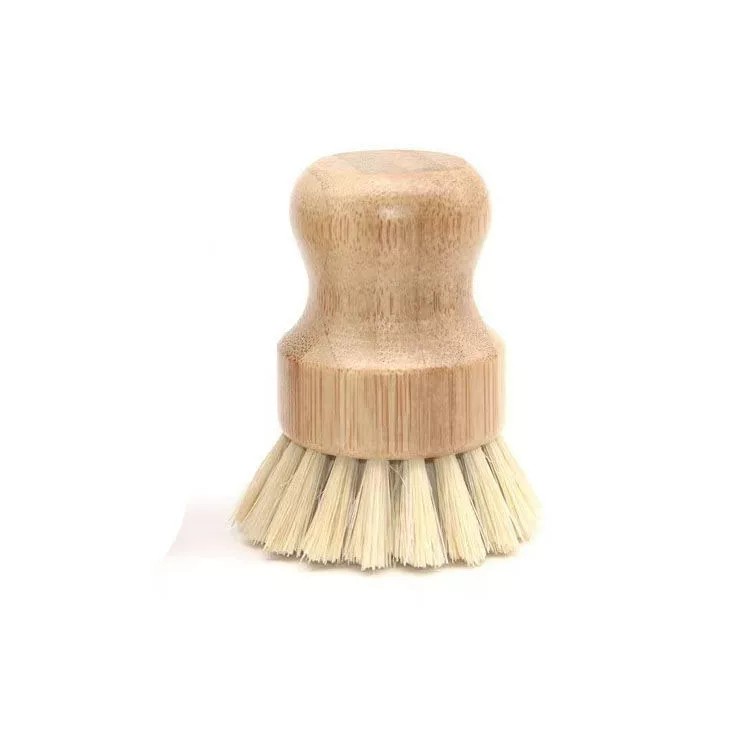
As environmental awareness continues to grow in 2026, the bamboo dish brush has moved from a niche "zero-waste" choice to a mainstream product in kitchens around the world. Walk into any home goods store or browse online, and you will almost certainly see them – elegant bamboo handles, natural plant bristles, and eco‑labels promising "biodegradable" and "plastic‑free."
Yet a puzzling trend is emerging among many users: Why does the "long‑lasting wonder" that everyone talks about turn into a "moldy, shedding, cracked disposable" in your hands after just a few days? Is product quality really that inconsistent, or have you been using it the wrong way from the very beginning?
As an industry perspective on kitchen cleaning products, this article will reveal the true nature of bamboo dish brushes, answer the three most common questions consumers have, and provide a practical guide to selection and care.
1. Why Are Bamboo Dish Brushes Replacing Plastic Brushes and Sponges?
Before discussing "how to use them," we need to understand "why use them." According to the latest global trends in the cleaning products market, consumer demand for cleaning tools has shifted fundamentally in 2026.
Say goodbye to "bacterial breeding grounds" – Traditional kitchen sponges, with their porous, moisture‑retaining structure, have been proven to be a "luxury hotel" for bacteria. In contrast, bamboo dish brushes dry naturally and quickly. The gaps between the bristles allow water to drain away much more easily, greatly reducing the environment where bacteria and mould thrive.
Reject microplastics – Studies have shown that traditional plastic cleaning sponges shed large numbers of microplastic fibres during use. These fibres wash down drains into rivers and oceans, and may eventually return to our dinner tables. Bamboo brushes are made entirely from natural materials. At the end of their life, they can be composted, truly achieving a "from nature, back to nature" cycle.
Protect delicate cookware – For those who own non‑stick pans, ceramic pots or cast‑iron cookware, steel wool is the enemy. Natural plant fibres (such as sisal or agave) provide both cleaning power and gentleness. They can remove stubborn dirt without scratching expensive cookware surfaces.
2. Three Core Questions – Solving Your Usage Concerns
Despite the many advantages of bamboo dish brushes, "mould" and "durability" remain the two biggest obstacles that discourage new users. Below is an in‑depth analysis of these pain points and a practical care guide.
Question 1: Isn't bamboo naturally mould‑resistant? Then why does my brush still get black spots?
User misconception: Many people think "naturally mould‑resistant" means "never gets mouldy."
The truth: Although bamboo does contain a natural antibacterial substance called "bamboo kun," this does not mean it can withstand being soaked in water for long periods. Almost every complaint about mould on bamboo brushes comes down to one cause: leaving the brush sitting in the sink after use.
Solutions:
First, change your usage habits. Never leave your bamboo brush soaking in the sink or in dishwater. When washing, dip the brush into dish soap and scrub – do not let the wooden handle sit in water for a long time.
Second, change how you store it. After each use, rinse the brush clean and shake off excess water vigorously. Place it on a drying rack with bristles facing down, or hang it in a well‑ventilated area. Keeping the handle dry is the key to preventing mould.
Finally, if mould does appear, wipe it with white vinegar or citric acid. If black mould has penetrated the wood surface, gently sand it with fine sandpaper, then rub in a little olive oil or beeswax to restore the surface.
Question 2: The bristles went flat or fell out after just a few days – is that a quality problem?
User misconception: Believing that harder bristles are always more durable, or mistaking minor bristle deformation as a sign that the brush is "worn out."
The truth: Natural plant fibres (such as sisal, horsehair and coconut fibre) do not have the "memory" or resilience of nylon plastic. After being exposed to hot water and vigorous scrubbing, they will bend or "flatten" to some degree. This is normal and does not mean the cleaning power is gone. If bristles fall out in large numbers, it is usually due to poor manufacturing quality or a metal fastener that has come loose because of excessive force.
Solutions:
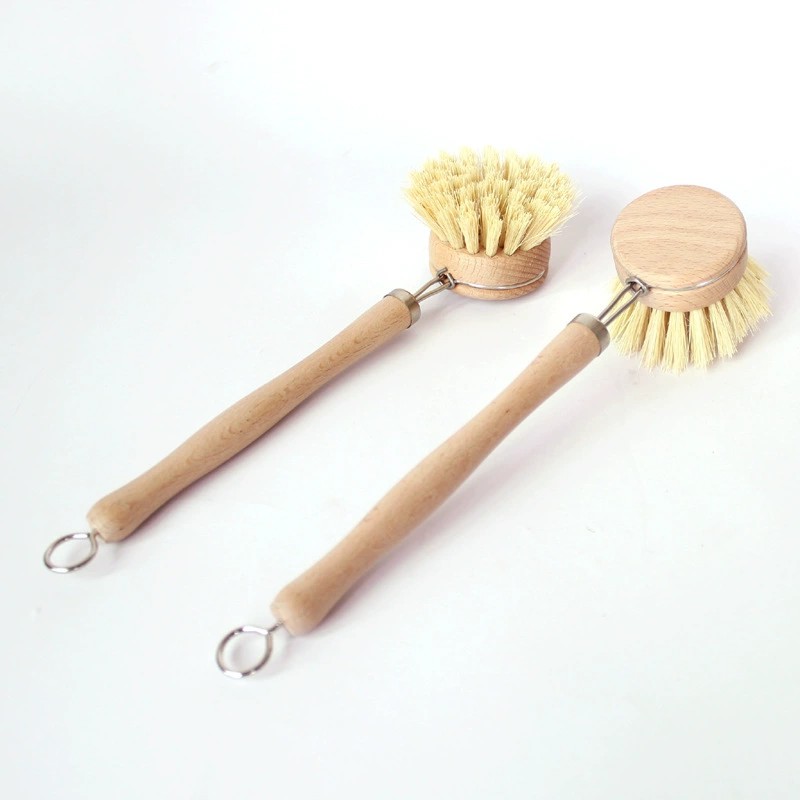
When choosing a brush, pay attention to how the head is attached. Many high‑quality bamboo brushes now feature replaceable brush heads. When the bristles wear out, you simply buy a new head. The bamboo handle can continue to be used – a much more economical and environmentally friendly option than replacing the entire brush.
Second, correctly assess the condition of the bristles. As long as the bristles have not broken into powder, even if they look bent and "soft," they are still perfectly usable. For stubborn stains, you can add a little baking soda to increase friction.
A realistic expectation: Under normal care, the brush head of a bamboo dish brush typically lasts between one and three months. That is significantly longer than a traditional sponge (which is recommended to be replaced every two weeks), but shorter than a plastic stiff‑bristled brush.
Question 3: What if the solid wood handle cracks?
User misconception: Thinking that a crack means the product is "broken."
The truth: Natural bamboo expands and contracts with changes in temperature and humidity. When it alternates between extreme dryness and extreme wetness, physical cracking can occur. This is simply how wood "breathes."
Solutions:
Oil the wood. Just like caring for a wooden cutting board, bamboo brushes need to be "fed" oil. If the handle feels dry or even shows fine cracks, apply a layer of food‑grade mineral oil or beeswax. Let it sit for a few hours so the oil can soak in. This not only prevents cracking but also restores shine to the handle and improves water resistance.
Keep away from high heat. Never try to speed up drying by placing a bamboo brush on a radiator or in direct sunlight – that will accelerate cracking.
3. A Quick Selection and Care Guide
If you are looking for a suitable bamboo dish brush for your kitchen, or if you want to make the best use of the one you already have, here are a few simple criteria to consider.
3.1 Bristle materials
-
Sisal / agave fibres – High hardness. Best for scrubbing heavy burnt residue from pots and pans, or cleaning muddy root vegetables. Durable, though they will soften slightly when wet.
-
Horsehair / coconut fibres – Medium hardness. Suitable for non‑stick pans, coated cookware and delicate china.
-
Recycled plant fibres – The highest level of environmental friendliness, but typically the shortest lifespan.
3.2 Handle construction
-
One‑piece (integral) design – Simple and straightforward. Use it and then compost the whole thing. Best for users who want maximum convenience.
-
Replaceable‑head design – A well‑made handle that accepts new brush heads. This design has become increasingly popular in the 2026 market because it greatly reduces plastic waste over the long term.
3.3 Core care rules
-
Do not soak – This is the golden rule for extending the life of a bamboo brush.
-
Hang to dry – The brush must be stored in a way that allows air to circulate and water to drain.
-
Disinfect regularly – Occasionally pour white vinegar or boiling water over the bristles only (not the handle) to keep things hygienic.
The bamboo dish brush is more than just a brush – it is a small symbol of the kitchen's shift towards sustainability. It may require a little more care than a plastic brush, asking you to change the habit of tossing it into a sink full of water. But it is precisely this "need to be treated with respect" that makes us rethink our relationship with the things we own – no longer single‑use disposables, but items that can be maintained, repaired and eventually returned to nature.
Send Inquiry



X
We use cookies to offer you a better browsing experience, analyze site traffic and personalize content. By using this site, you agree to our use of cookies.
Privacy Policy
News
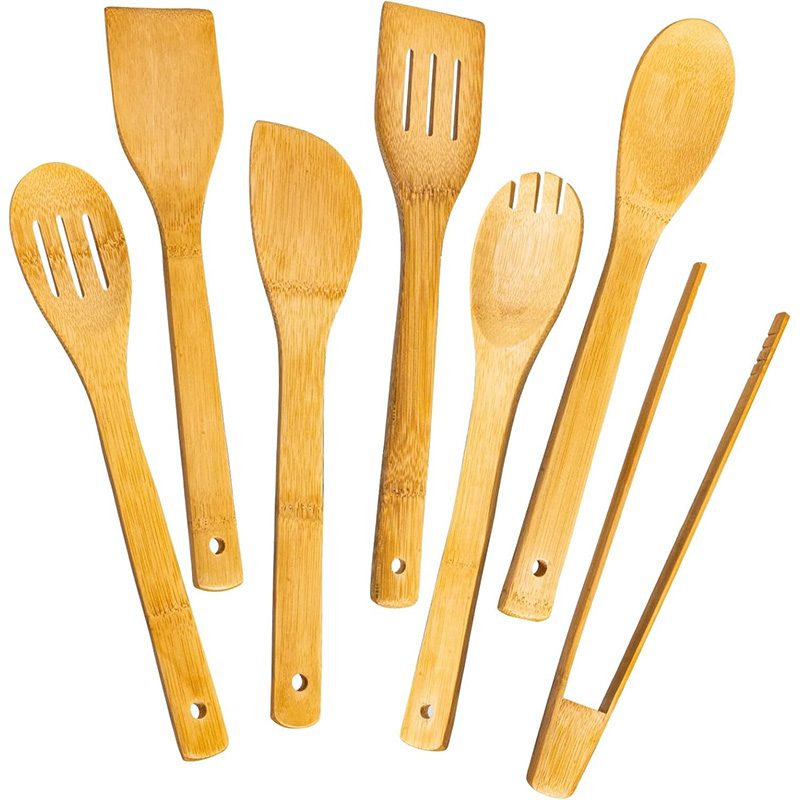 How Can High‑Heat‑Resistant Bamboo Stir Fry Spatula Protect Your Expensive Non‑Stick Cookware?2026/09/30
Cooking lovers invest heavily in premium non‑stick pots and pans, yet many of them get scratched and damaged quickly by rigid metal kitchen utensils during daily stir‑frying. A wrong spatula may ruin expensive cookware coating and shorten service life significantly. This raises a practical question ......
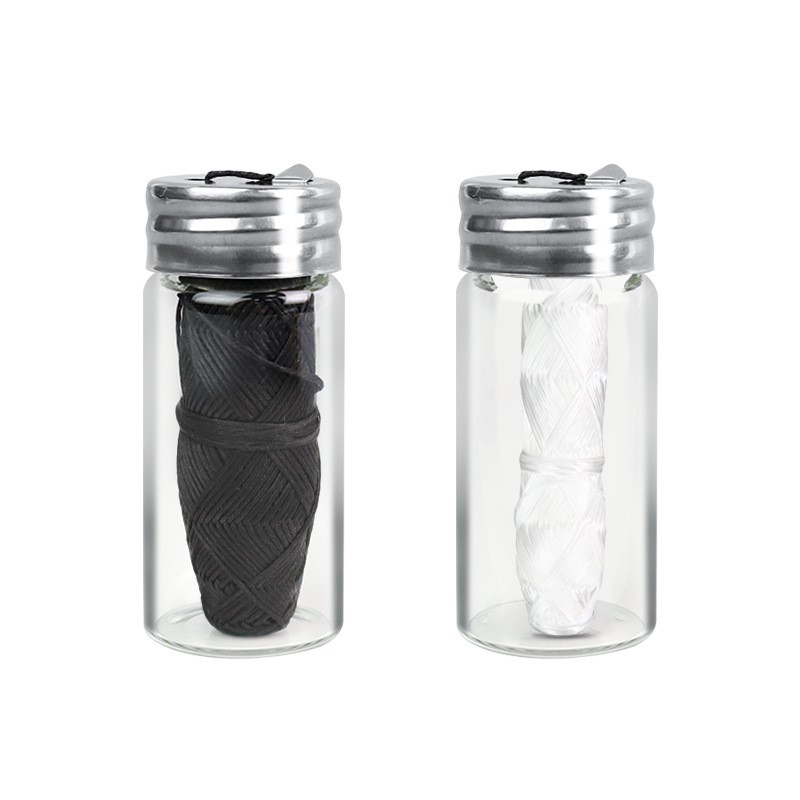 Dental Floss in Glass Jar vs Traditional Dental Floss: What Is the Difference?2026/08/05
Dental floss is a small but important part of daily oral care. While most people are familiar with traditional dental floss packed in plastic containers, a new style of oral care product has gained attention: Dental Floss in Glass Jar. At first glance, the difference may seem to be only the packa......