


Call Us
+86-15957403707
Email Us
lydia@tree-sun.com

How to Use a Tongue Scraper for Optimal Oral Hygiene?
Abstract: Tongue scraping is an essential practice in oral hygiene that helps remove bacteria, food debris, and dead cells from the tongue surface. This article provides a comprehensive guide on using a tongue scraper effectively, detailed product parameters, answers to frequently asked questions, and practical recommendations for daily oral care.
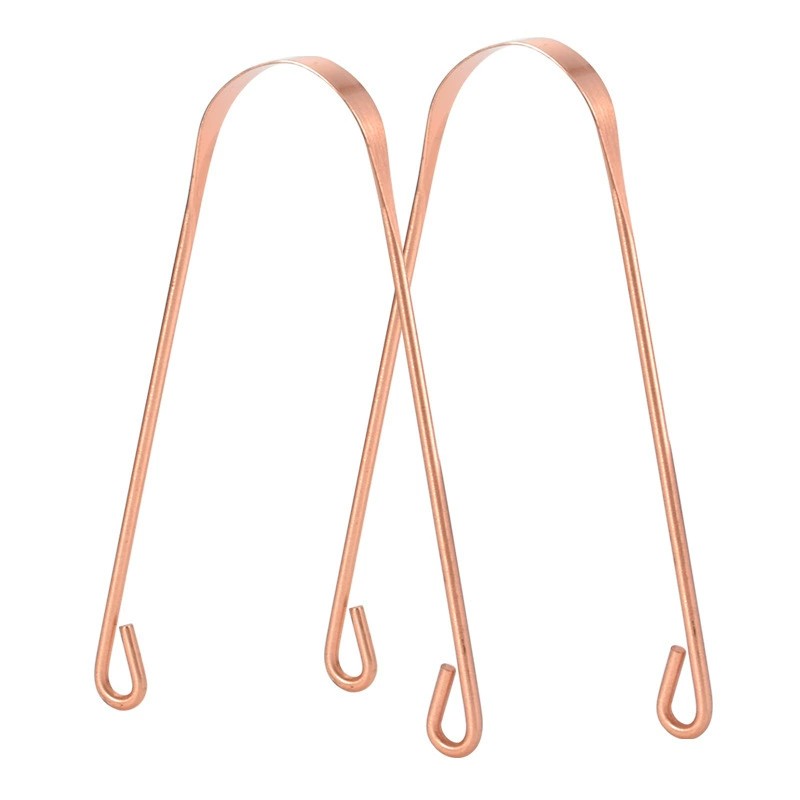
Table of Contents
1. Introduction to Tongue Scrapers 2. Tongue Scraper Specifications 3. How to Use a Tongue Scraper Correctly 4. Common Questions About Tongue Scrapers 5. Brand Information and Contact1. Introduction to Tongue Scrapers
Tongue scrapers are oral hygiene tools designed to clean the surface of the tongue efficiently. Unlike regular toothbrushes, which primarily clean teeth, tongue scrapers remove accumulated debris, bacteria, and dead cells from the tongue, contributing to fresher breath and better overall oral health.
The central purpose of this article is to explore how tongue scrapers function, their benefits, and practical usage strategies. By understanding product specifications and following proper techniques, users can enhance oral hygiene and maintain long-term health.
2. Tongue Scraper Specifications
Detailed knowledge of tongue scraper parameters ensures users select the right product for safety and effectiveness. Below is a professional overview of standard features for premium tongue scrapers:
| Parameter | Description |
|---|---|
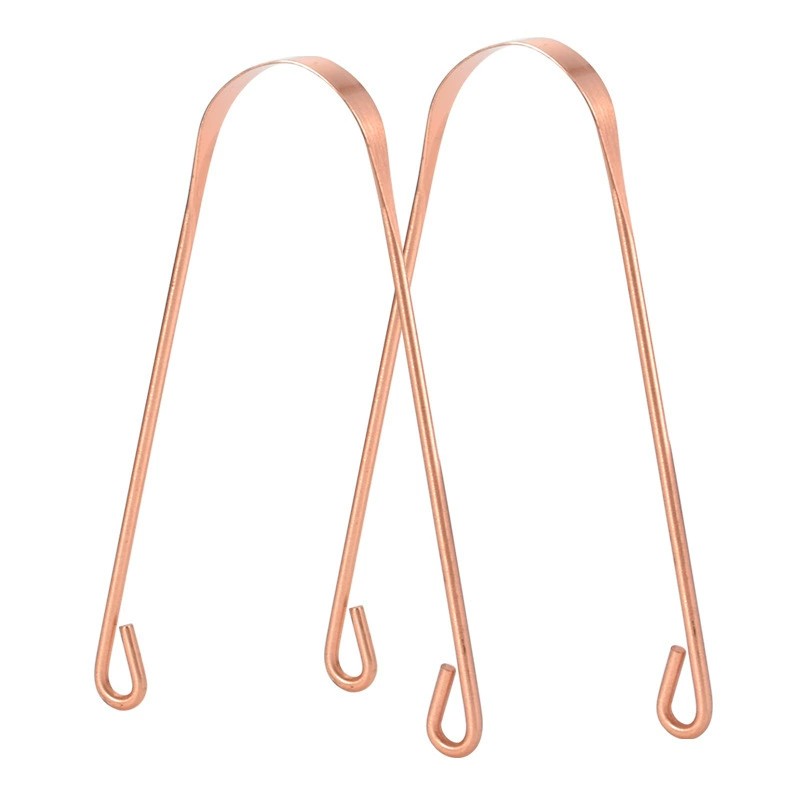
| Material | Stainless Steel, Copper, Bamboo, or Plastic with antibacterial coating |
| Length | 12–15 cm (Adjustable for comfort) |
| Width | 1.5–2 cm scraping edge |
| Edge Type | Curved or Flat for optimal tongue surface contact |
| Handle | Ergonomic design for firm grip and precision control |
| Cleaning Method | Rinse with water, dishwasher-safe (for metal versions), or use mild soap |
| Durability | Reusable for 12–24 months depending on material |
| Additional Features | Antibacterial coating, foldable design, travel-friendly size |
3. How to Use a Tongue Scraper Correctly
Proper usage ensures maximum benefits and prevents injury. Follow these steps for effective tongue scraping:
Step 1: Preparation
- Rinse your mouth with water.
- Hold the tongue scraper by its handle firmly.
- Stick your tongue out gently for full surface access.
Step 2: Scraping Technique
- Place the scraper at the back of the tongue, avoiding gag reflex triggers.
- Gently pull the scraper forward to the tip of the tongue.
- Rinse the scraper after each pass to remove debris.
- Repeat 3–5 times depending on debris accumulation.
Step 3: Post-Scraping Care
- Rinse mouth thoroughly with water or an alcohol-free mouthwash.
- Clean the scraper with warm water and mild soap.
- Store the scraper in a dry, clean environment to prevent bacterial growth.
Step 4: Frequency of Use
For optimal results, tongue scraping should be performed once or twice daily, preferably in the morning before brushing teeth. Consistent use improves breath quality and reduces tongue coating over time.
4. Common Questions About Tongue Scrapers
Q1: Can tongue scraping replace brushing?
A1: Tongue scraping complements brushing but does not replace it. While brushing cleans teeth and gums, scraping targets tongue surface bacteria and debris that toothbrushes cannot fully remove.
Q2: How often should a tongue scraper be replaced?
A2: Replacement depends on material. Stainless steel or copper scrapers may last up to 2 years with proper care, while plastic or bamboo versions typically last 6–12 months. Replace when edges become worn or corroded.
Q3: Is tongue scraping safe for everyone?
A3: Tongue scraping is generally safe for most individuals. Caution is advised for children, elderly, or those with sensitive tongues or oral wounds. Use gentle pressure to avoid irritation or injury.
Q4: What are the benefits of regular tongue scraping?
A4: Regular scraping reduces bad breath, bacterial load, and tongue coating. It can enhance taste perception, contribute to oral health, and reduce plaque accumulation indirectly.
5. Brand Information and Contact
Premium tongue scrapers are manufactured by NINGBO TINGSHENG BAMBOO & WOOD CO., LTD, a company specializing in high-quality oral hygiene products made from bamboo, wood, and durable metals. Their products combine ergonomic design, sustainable materials, and practical functionality to provide safe and effective tongue cleaning solutions.
For further information, product inquiries, or bulk orders, contact us to explore the full range of tongue scrapers and related oral care products.
Send Inquiry



X
We use cookies to offer you a better browsing experience, analyze site traffic and personalize content. By using this site, you agree to our use of cookies.
Privacy Policy
News
 Bamboo Toothbrush: A Dual Choice for Environmental Protection and Health2025/03/08
With the increasing global awareness of environmental protection, bamboo toothbrushes have gradually gained popularity among consumers as a sustainable oral care product.
 How Does a Tongue Scraper Work and How Should You Choose the Right One?2026/07/29
That white coating on your tongue? Brushing alone won't remove it—this is the first thing most people realize when they try a tongue scraper for the first time. The tongue's surface is covered with tiny papillae, creating a rough texture that easily traps bacteria, food debris, and shed cells, formi......