


Call Us
+86-15957403707
Email Us
lydia@tree-sun.com
How Can Kitchen Reusables Improve Sustainability in Everyday Cooking?
Article Summary: This article explores the role of Kitchen Reusables in reducing waste, enhancing kitchen efficiency, and supporting sustainable practices. Detailed product specifications, common usage questions, and practical tips are provided to guide consumers in selecting and integrating reusable kitchen items into their daily routines.
1. Introduction to Kitchen Reusables
Kitchen Reusables refer to a variety of sustainable products designed to replace single-use items commonly used in cooking, food storage, and meal preparation. These items include reusable silicone bags, beeswax wraps, bamboo utensils, stainless steel straws, and durable glass containers. By incorporating Kitchen Reusables, households can significantly reduce plastic waste, improve food preservation, and create an eco-friendly kitchen environment. The central focus of this guide is to examine how Kitchen Reusables contribute to sustainability, highlight key product features, and address common user questions for effective daily use.
2. Detailed Product Specifications and Benefits
The following table provides a comprehensive overview of popular Kitchen Reusables, focusing on material, dimensions, durability, and usage scope. Each item has been selected for its sustainability, ease of cleaning, and versatility in the kitchen.
| Product | Material | Dimensions | Durability | Usage |
|---|---|---|---|---|
| Reusable Silicone Food Bags | Food-grade silicone | 10x12 cm, 15x20 cm | Over 1000 uses, heat-resistant to 230°C | Storage, sous-vide cooking, freezer-safe |
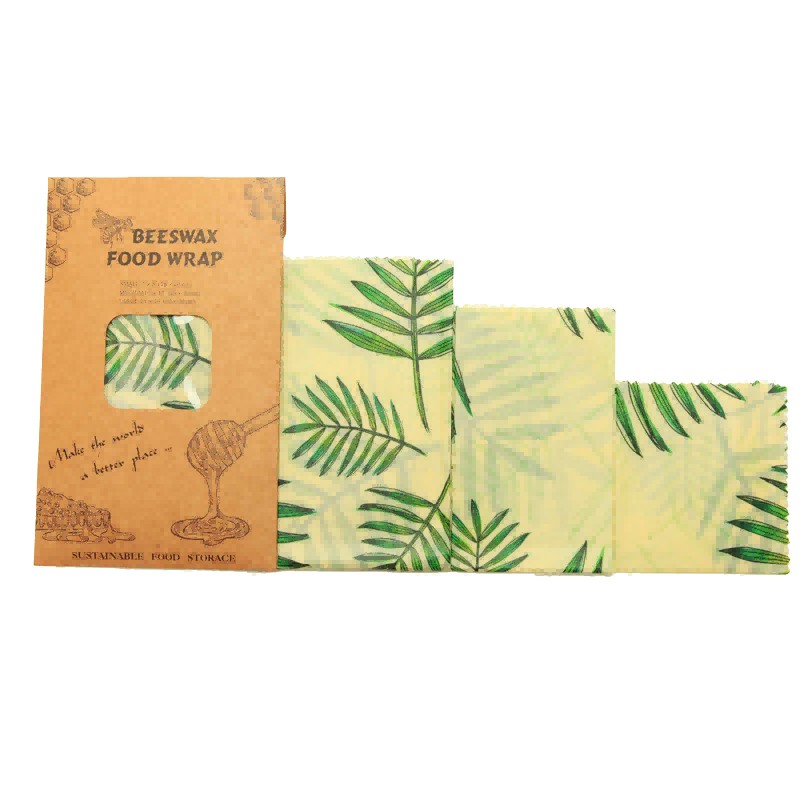
| Beeswax Food Wraps | Organic cotton coated with beeswax | Small 20x20 cm, Medium 25x25 cm, Large 30x30 cm | Reusable for up to 1 year, washable | Covering bowls, wrapping sandwiches, keeping vegetables fresh |
| Bamboo Utensils Set | 100% sustainably sourced bamboo | 18-25 cm length per utensil | Long-lasting, naturally antibacterial | Cooking, serving, and outdoor dining |
| Stainless Steel Straws | Food-grade stainless steel | Standard 21 cm length, 6 mm diameter | Reusable for years, dishwasher safe | Drinks, smoothies, and cocktails |
| Glass Food Storage Containers | Borosilicate glass with airtight lids | 200 ml, 500 ml, 1000 ml | Heat and cold resistant, microwave and freezer safe | Leftovers, meal prep, pantry storage |
These items collectively provide sustainable alternatives that maintain functionality while minimizing environmental impact. When selecting Kitchen Reusables, it is essential to evaluate material safety, heat resistance, and long-term durability.
3. Practical Applications and Usage Tips
Integrating Kitchen Reusables into daily routines requires understanding their specific applications, maintenance, and storage requirements. Here are practical tips for maximizing their use:
- Reusable Silicone Bags: Ideal for sous-vide cooking, freezing prepared meals, and marinating proteins. Always ensure bags are fully sealed to prevent leaks. Clean with warm soapy water or dishwasher-safe compartments.
- Beeswax Wraps: Use for wrapping cheese, fruits, or covering bowls. Avoid hot foods above 50°C. After use, rinse with cold water and mild soap. Store flat or rolled to retain shape.
- Bamboo Utensils: Rinse immediately after use to prevent residue build-up. Hand wash recommended to maintain natural oils. Can be sanded lightly if surface roughness develops over time.
- Stainless Steel Straws: Use brush cleaners to maintain hygiene. Safe for both hot and cold beverages. Store in a protective case to avoid dents.
- Glass Food Storage Containers: Ensure lids are securely fastened to prevent spills. Stack efficiently to save space. Microwave and freezer safe; avoid thermal shock by not transferring directly from freezer to hot oven.
By adopting these practices, users can extend the lifespan of Kitchen Reusables, maintain food safety standards, and enhance overall kitchen sustainability.
4. Common Questions About Kitchen Reusables
Q1: How do I clean reusable silicone bags effectively?
A1: Reusable silicone bags can be cleaned by hand using warm water and mild dish soap. For thorough cleaning, they can be placed in the dishwasher's top rack. Ensure all corners are scrubbed to remove residue. Regular cleaning prevents odors and bacterial growth.
Q2: Can beeswax wraps be used with hot foods?
A2: Beeswax wraps are not recommended for foods exceeding 50°C, as high heat can melt the wax coating, reducing effectiveness. For hot meals, allow the food to cool slightly before wrapping to preserve both the wrap and the food.
Q3: Are bamboo utensils safe for all types of cooking?
A3: Bamboo utensils are safe for non-stick cookware and general cooking. Avoid prolonged exposure to water without drying to prevent warping. Hand washing is recommended, and occasional oiling can maintain the bamboo's natural durability.
Q4: How long can stainless steel straws last?
A4: Stainless steel straws are highly durable and can last for years if cleaned regularly. They are resistant to corrosion and safe for both hot and cold beverages. Using a straw cleaning brush after each use ensures longevity and hygiene.
Q5: Can glass storage containers be used in the freezer?
A5: Yes, borosilicate glass containers are freezer-safe. Ensure lids are properly sealed and allow for some expansion when freezing liquids. Avoid rapid temperature changes to prevent cracking.
For those seeking reliable Kitchen Reusables with a proven track record of quality and sustainability, NINGBO TINGSHENG BAMBOO&WOOD CO.,LTD. offers a wide range of eco-friendly kitchen products. For inquiries, bulk orders, or personalized solutions, please contact us.
Send Inquiry



X
We use cookies to offer you a better browsing experience, analyze site traffic and personalize content. By using this site, you agree to our use of cookies.
Privacy Policy
News
 Bamboo Toothbrush: A Dual Choice for Environmental Protection and Health2025/03/08
With the increasing global awareness of environmental protection, bamboo toothbrushes have gradually gained popularity among consumers as a sustainable oral care product.
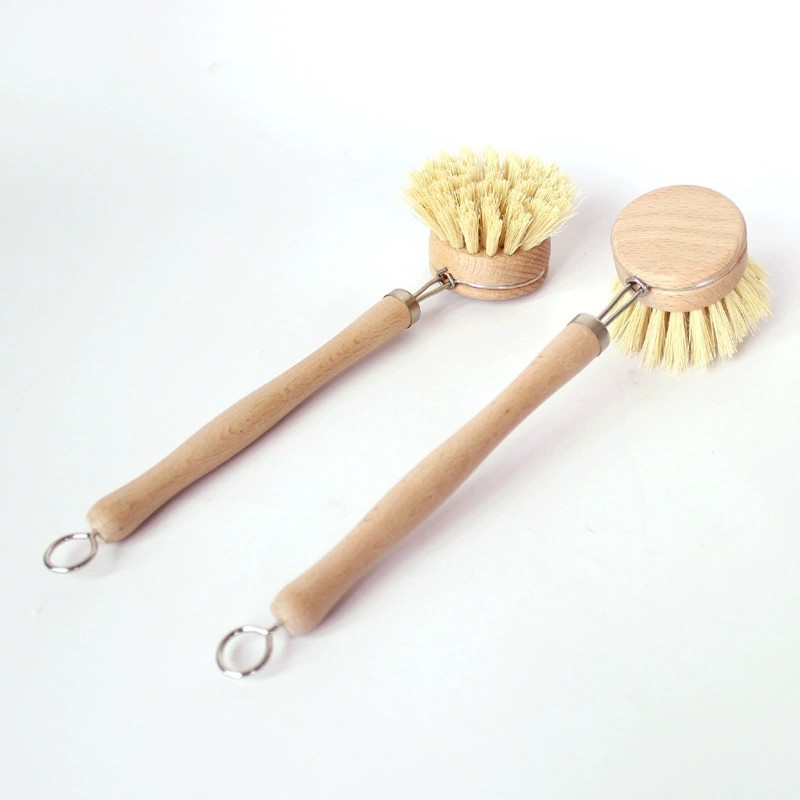 Bamboo Dish Brush: Are You Really Using It Right? – A Guide to Avoiding the Top 90% of User Mistakes2026/05/28
As environmental awareness continues to grow in 2026, the bamboo dish brush has moved from a niche "zero-waste" choice to a mainstream product in kitchens around the world. Walk into any home goods store or browse online, and you will almost certainly see them – elegant bamboo handles, natural plant......