


Call Us
+86-15957403707
Email Us
lydia@tree-sun.com
Why Is Beeswax Wrap Becoming a Smarter and More Sustainable Alternative to Plastic Food Packaging
Article Summary: As consumers and businesses increasingly seek sustainable alternatives to disposable packaging, reusable food storage products are gaining popularity. TINGSHENG offers practical Beeswax Wrap solutions made from organic cotton and food-grade beeswax, providing a reusable option for wrapping food, covering containers, and reducing reliance on conventional plastic film. This article explores how beeswax wraps work, their materials, advantages, applications, maintenance requirements, and the key factors buyers should consider when selecting a reliable supplier.
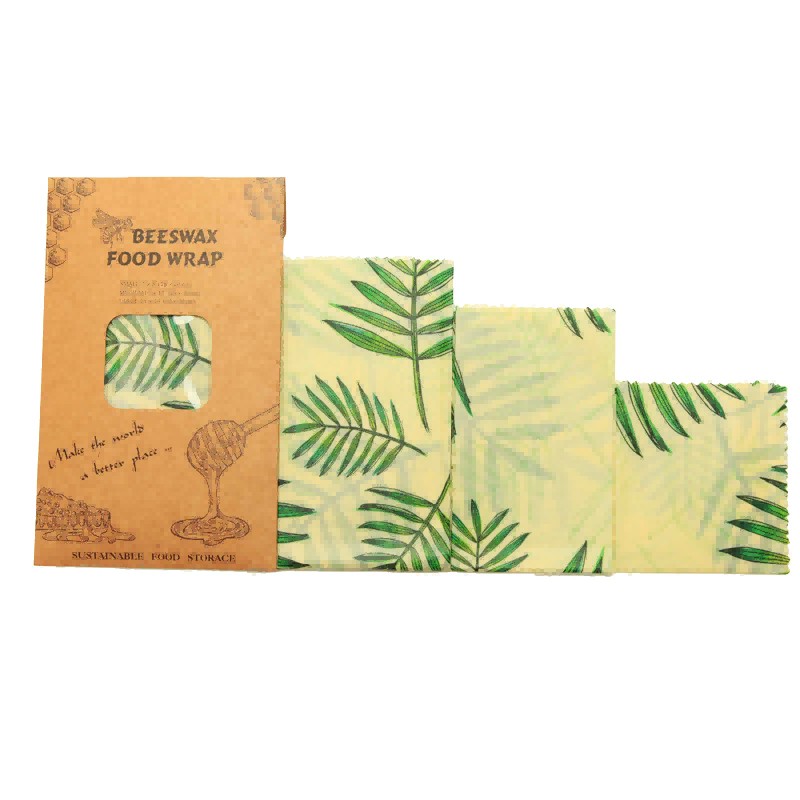
Table of Contents
- What Is Beeswax Wrap?
- How Does Beeswax Wrap Work?
- What Materials Determine Beeswax Wrap Quality?
- What Are the Main Benefits of Beeswax Wrap?
- Where Can Beeswax Wrap Be Used?
- Beeswax Wrap vs. Traditional Food Packaging
- How to Choose the Right Beeswax Wrap Size
- How to Clean and Maintain Beeswax Wrap
- What Should Buyers Consider When Choosing a Supplier?
- Frequently Asked Questions
- Conclusion: Make Everyday Food Storage More Sustainable
1. What Is Beeswax Wrap?
Beeswax wrap is a reusable food storage material designed to provide an alternative to disposable plastic cling film, sandwich bags, and certain conventional food packaging products. It is generally produced by coating cotton fabric with beeswax and, depending on the formulation, other ingredients that help improve flexibility and adhesion.
Unlike conventional plastic film, which is typically discarded after one use, beeswax wrap can be washed, dried, and reused when properly maintained. Its flexible fabric structure allows users to wrap different food items or cover containers of various shapes and sizes.
TINGSHENG, a professional kitchen reusable products supplier in China, offers beeswax wraps made from organic cotton and food-grade beeswax. The product is designed for everyday household and kitchen applications, combining practical food storage functionality with a reusable material concept.
For consumers looking to reduce disposable packaging and businesses expanding their eco-friendly product collections, beeswax wrap is an attractive option that connects convenience with more responsible purchasing decisions.
2. How Does Beeswax Wrap Work?
The functionality of beeswax wrap comes from the combination of flexible cotton fabric and its natural wax coating. The coating gives the fabric a slightly tacky surface, allowing it to adhere to itself and conform to food or container shapes.
Using beeswax wrap is straightforward:
- Prepare the food: Allow food to cool completely before wrapping it. The material should not come into contact with hot food.
- Position the wrap: Place the wrap around the food item or over the opening of a suitable container.
- Apply gentle pressure: Use the warmth of your hands to soften the wax coating slightly and shape the fabric.
- Create a seal: Press the edges together so the wrap holds its shape.
- Store appropriately: Keep wrapped food in a suitable storage environment, such as a refrigerator when required.
This simple process makes beeswax wrap convenient for everyday food storage. Its flexible construction also allows it to accommodate irregularly shaped items that may be difficult to cover with rigid containers.
3. What Materials Determine Beeswax Wrap Quality?
The performance and reliability of beeswax wrap depend heavily on the quality of its raw materials and manufacturing process. Buyers should pay particular attention to fabric composition, wax quality, coating consistency, and suitability for food-contact applications.
Organic Cotton Fabric
Organic cotton serves as the flexible foundation of the wrap. It provides a textile surface that can bend around food and containers while maintaining sufficient structure for repeated handling. TINGSHENG specifies organic cotton with GOTS certification for its product.
Food-Grade Beeswax
Beeswax creates the characteristic coating that gives the wrap its moldable and slightly adhesive properties. Food-grade material is an important purchasing consideration because the product is intended for use around food.
Consistent Coating and Fabric Quality
Uniform coating distribution helps the wrap maintain consistent flexibility and usability. Uneven application may lead to areas that feel excessively stiff or provide insufficient adhesion. Manufacturers should therefore pay attention to coating consistency, fabric condition, and finished-product inspection.
For wholesale and private-label purchasing, buyers should also request relevant food-contact documentation, certification details, and product-specific test reports rather than relying solely on general material descriptions.
4. What Are the Main Benefits of Beeswax Wrap?
Beeswax wrap offers several practical advantages for households, retailers, and businesses interested in reusable kitchen products.
4.1 A Reusable Alternative to Disposable Packaging
One of the biggest advantages is its ability to be reused. Instead of immediately discarding food wrapping materials after a single use, consumers can wash and reuse beeswax wraps according to the manufacturer's instructions. This can help reduce dependence on disposable packaging in everyday kitchen routines.
4.2 Flexible and Convenient Food Storage
The fabric structure can be shaped around sandwiches, fruit, bread, cheese, and other suitable foods. It can also cover bowls, plates, and containers, making it a versatile addition to a household kitchen.
4.3 An Attractive Eco-Friendly Product Category
As sustainable consumer products receive greater attention, beeswax wrap offers retailers and distributors an opportunity to expand their reusable kitchenware collections. Its natural material positioning and practical functionality make it suitable for eco-conscious product ranges and gift collections.
4.4 Customization Opportunities
Product appearance and packaging are important for retail businesses. Custom patterns, branding, and packaging solutions can help businesses create differentiated product offerings. TINGSHENG supports OEM customization and customized packaging according to customer requirements.
- Reusable construction for repeated household use.
- Flexible wrapping for different food shapes.
- Organic cotton and food-grade beeswax materials.
- Multiple sizes for different storage requirements.
- OEM branding and customized packaging options.
5. Where Can Beeswax Wrap Be Used?
Beeswax wrap is suitable for a variety of everyday food storage situations. Selecting the appropriate size helps improve convenience and reduce unnecessary material usage.
Fruit and Vegetables
Small wraps are convenient for covering cut fruit and suitable vegetables. They can also be used to cover small food containers in the refrigerator.
Bread and Cheese
Medium-sized wraps are useful for covering bread portions, cheese, and sandwiches. They are particularly practical for preparing packed lunches for work or school.
Bowls and Larger Food Items
Large wraps can cover larger bowls, plates, pies, and other suitable food items. Their flexible construction makes them useful when a conventional lid is unavailable.
School and Workplace Lunches
Reusable wraps can be incorporated into lunch preparation routines. Their flexible shape allows sandwiches and snacks to be wrapped conveniently for transportation.
For food safety, beeswax wraps should not be used with raw meat or raw fish. They are also unsuitable for hot food and should not replace temperature-controlled food storage.
6. Beeswax Wrap vs. Traditional Food Packaging
Understanding the differences between beeswax wrap and traditional packaging materials helps consumers and commercial buyers make more informed purchasing decisions.
| Comparison Factor | Beeswax Wrap | Plastic Cling Film | Aluminum Foil |
|---|---|---|---|
| Primary Material | Cotton fabric and beeswax | Plastic film | Aluminum |
| Reusability | Reusable with proper care | Generally single-use | May be reused in some applications |
| Flexibility | Flexible and moldable | Highly flexible | Flexible but may crease |
| Cleaning | Cool water and mild soap | Usually discarded after use | Not designed for regular washing |
| Heat Resistance | Low; avoid heat | Depends on product specification | Generally suitable for many cooking applications |
| Typical Applications | Bread, fruit, cheese, sandwiches, bowls | Food wrapping and covering | Food covering and cooking applications |
| Waste Reduction Potential | Can reduce disposable wrap consumption | Limited due to frequent disposal | Depends on reuse and recycling practices |
Although beeswax wrap provides an appealing reusable option, it does not replace every type of food packaging. Plastic film and aluminum foil may remain more suitable for certain applications, particularly where heat resistance or specialized storage requirements are involved.
7. How to Choose the Right Beeswax Wrap Size
Size selection is an important consideration when purchasing beeswax wrap for personal use or wholesale distribution. Different dimensions provide different levels of flexibility and coverage.
TINGSHENG offers three main size categories:
| Size Category | Recommended Applications | Typical Buyers |
|---|---|---|
| Small | Small fruits, snacks, and individual food portions | Households and lunchware retailers |
| Medium | Sandwiches, cheese, and bread portions | Families and kitchenware distributors |
| Large | Pies, larger food portions, and bowl covers | Households and eco-product retailers |
For commercial buyers, a combination of different sizes may provide a more attractive product assortment. A mixed-size set can meet different household requirements while creating additional opportunities for retail packaging and gift bundles.
Before confirming an order, buyers should also check the actual dimensions, thickness, pattern options, packaging specifications, and customization requirements with the manufacturer.
8. How to Clean and Maintain Beeswax Wrap
Proper maintenance is essential for preserving the flexibility and usability of beeswax wrap. Since the wax coating can soften or melt when exposed to high temperatures, cleaning methods should follow the product manufacturer's recommendations.
Recommended Cleaning Steps
- Rinse the wrap using cool water.
- Use a small amount of mild dish soap when necessary.
- Gently clean the surface without aggressive scrubbing.
- Rinse away soap residue thoroughly.
- Allow the wrap to air dry completely before storage.
- Store it in a cool, dry location away from direct heat.
Important Maintenance Precautions
- Do not wash beeswax wraps in hot water.
- Do not put them in a microwave, oven, or dishwasher.
- Avoid direct contact with hot food or heated cookware.
- Do not use them to wrap raw meat or raw fish.
- Replace wraps that become damaged, excessively worn, or difficult to clean.
With appropriate care, beeswax wraps can provide repeated use over an extended period. Actual service life depends on usage frequency, cleaning practices, storage conditions, and product construction.
9. What Should Buyers Consider When Choosing a Beeswax Wrap Supplier?
For importers, wholesalers, supermarket purchasing teams, and private-label brands, selecting a dependable manufacturer is just as important as evaluating the product itself.
The following factors can help businesses assess potential suppliers.
Material Transparency
Ask for detailed information about the cotton fabric, beeswax source, coating formulation, and suitability of all materials for intended food-contact applications. Relevant certificates and supporting documentation should be checked for validity and scope.
Manufacturing and Quality Control
A professional supplier should have consistent manufacturing procedures and appropriate quality inspection processes. Buyers can request product samples to evaluate fabric texture, coating uniformity, flexibility, and workmanship before placing bulk orders.
Customization Capabilities
OEM services are particularly important for businesses developing their own product brands. Confirm whether the supplier can support customized patterns, logos, packaging bags, and different product combinations.
Bulk Order and Packaging Information
Reliable packaging and clear shipping specifications help simplify inventory management and international logistics. Buyers should confirm minimum order quantities, carton configurations, lead times, and shipping arrangements before finalizing procurement.
According to its product information, TINGSHENG provides the following reference specifications:
| Product Parameter | TINGSHENG Specification |
|---|---|
| Product Name | Beeswax Wrap |
| Material | Organic Cotton + Food-Grade Beeswax |
| Certification Information | IFS, ISO, ROHS, GOTS (verify applicable product documentation) |
| Trademark | OEM Available |
| Application | Family and Kitchen |
| Available Sizes | Small, Medium, Large |
| Packaging | Customized Bag |
| Quantity per Carton | 450 Pieces |
| Estimated Carton Dimensions | 40 × 32 × 36 cm |
These specifications provide an initial reference for sourcing decisions. Buyers should confirm final product dimensions, order quantities, packaging details, and applicable certification documents directly with the supplier.
To learn more about the manufacturer's reusable kitchen product range, visit TINGSHENG's Kitchen Reusables Collection or explore its Eco Kitchen Products.
10. Frequently Asked Questions About Beeswax Wrap
Q1: What is beeswax wrap made of?
Beeswax wrap is commonly made from cotton fabric coated with beeswax. Some formulations may also contain plant oils or natural resins. TINGSHENG specifies organic cotton and food-grade beeswax for its product.
Q2: Can beeswax wrap replace plastic cling film?
Yes, beeswax wrap can replace plastic cling film in many everyday food storage situations, including wrapping sandwiches, covering bowls, and storing suitable fruits, vegetables, bread, and cheese. However, it is not suitable for every application, especially those involving heat or raw animal products.
Q3: How long can reusable beeswax wrap last?
Its lifespan depends on how frequently it is used and how well it is maintained. With appropriate cleaning, drying, and storage, quality beeswax wraps can remain usable for several months or longer. Replace the product when its coating or fabric becomes excessively worn.
Q4: Is beeswax wrap suitable for refrigerator storage?
Yes. Beeswax wrap can be used to cover suitable foods and containers in the refrigerator. Users should ensure the food is completely cool before wrapping and follow appropriate food storage and refrigeration practices.
Q5: Can beeswax wrap be washed with ordinary dish soap?
Yes. A small amount of mild dish soap and cool water can be used to clean the wrap. Avoid hot water, harsh detergents, aggressive scrubbing, and high-temperature cleaning equipment.
Q6: Is beeswax wrap suitable for raw meat and fish?
No. Beeswax wraps should not be used for raw meat or raw fish because they cannot be cleaned at high temperatures. Potential microbial contamination may remain on the material and transfer to other foods. Use appropriate food-safe containers for these products.
Q7: Does TINGSHENG offer customized beeswax wraps?
Yes. TINGSHENG supports OEM customization and customized packaging. Businesses can discuss branding, product designs, packaging requirements, and order specifications with the sales team.
Q8: What sizes are available for TINGSHENG beeswax wraps?
TINGSHENG offers small, medium, and large sizes. Small wraps are suitable for smaller food portions, medium wraps work well for sandwiches and cheese, and large wraps are designed for larger food items and bowl covers.
Q9: Is beeswax wrap suitable for wholesale purchasing?
Yes. Beeswax wrap is a suitable product category for kitchenware distributors, eco-friendly retailers, supermarket suppliers, and private-label businesses. TINGSHENG supports orders ranging from smaller quantities to bulk purchasing, with customized packaging options available.
11. Conclusion: Make Everyday Food Storage More Sustainable
Beeswax wrap represents a practical approach to reducing disposable food packaging in everyday life. Its flexible cotton construction, beeswax coating, reusable design, and convenient applications make it an appealing alternative to conventional single-use wrapping materials for suitable food storage needs.
For businesses, choosing the right manufacturer involves evaluating raw material quality, food-contact suitability, production consistency, customization capabilities, and bulk supply arrangements. A dependable supplier can help retailers and distributors develop competitive reusable kitchen product collections while responding to growing interest in sustainable household solutions.
As a professional supplier of reusable kitchen products, TINGSHENG offers beeswax wraps made with organic cotton and food-grade beeswax, together with multiple size options and OEM customization services. Whether you are a wholesaler, importer, retailer, or private-label brand looking for a reliable beeswax wrap supplier in China, TINGSHENG can help you explore suitable product and packaging solutions. Visit the TINGSHENG Beeswax Wrap product page to learn more about product specifications and available options. For bulk orders, customized designs, samples, or a competitive quotation, contact us today and let our team help you develop your next sustainable kitchen product collection.
Send Inquiry



X
We use cookies to offer you a better browsing experience, analyze site traffic and personalize content. By using this site, you agree to our use of cookies.
Privacy Policy
News
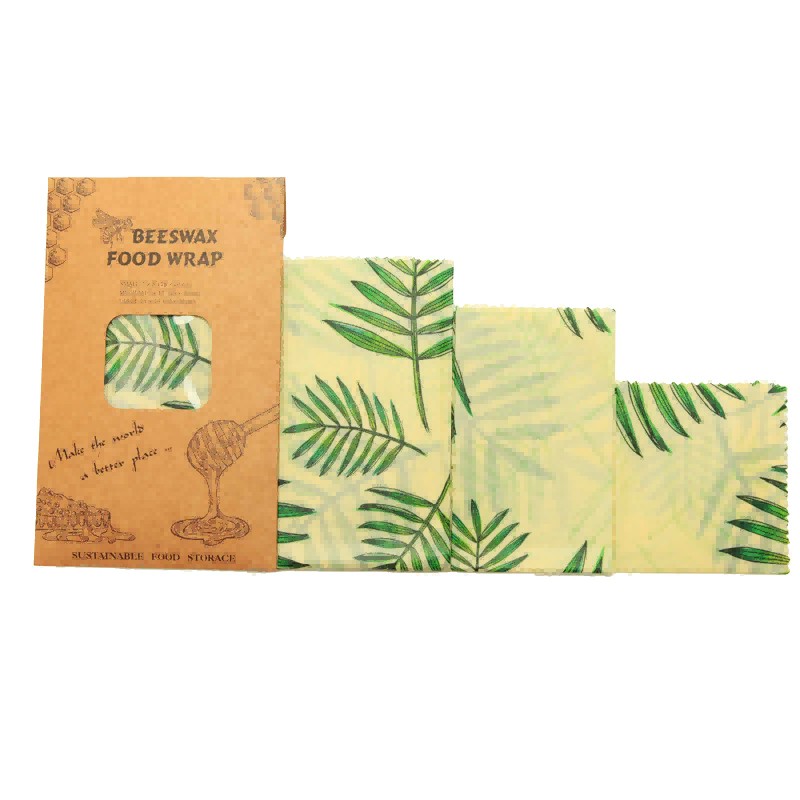 Why Is Beeswax Wrap Becoming a Smarter and More Sustainable Alternative to Plastic Food Packaging2026/11/03
As consumers and businesses increasingly seek sustainable alternatives to disposable packaging, reusable food storage products are gaining popularity. TINGSHENG offers practical Beeswax Wrap solutions made from organic cotton and food-grade beeswax, providing a reusable option for wrapping food, cov......
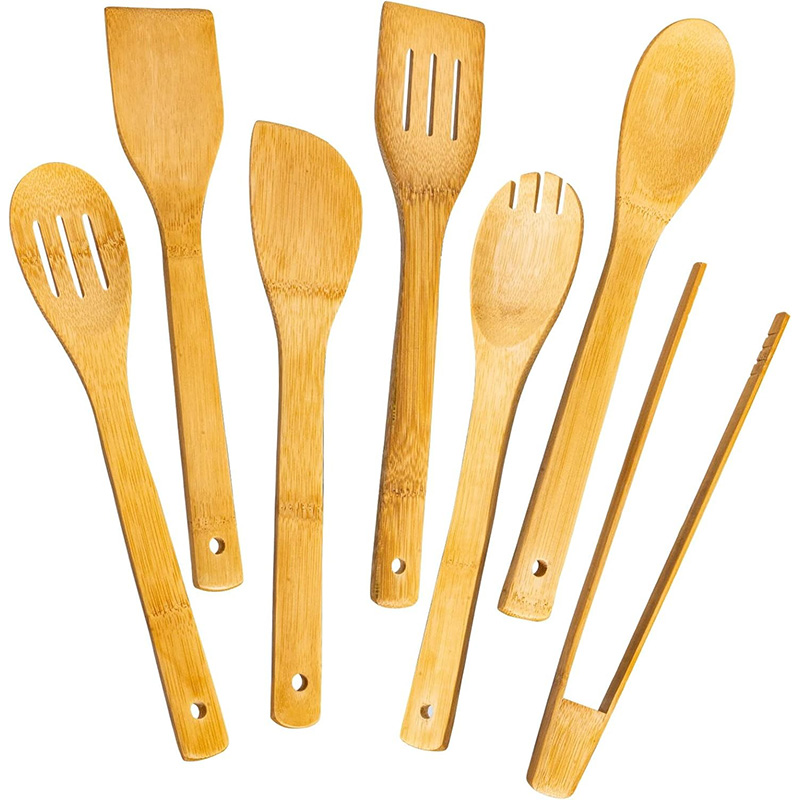 How Can High‑Heat‑Resistant Bamboo Stir Fry Spatula Protect Your Expensive Non‑Stick Cookware?2026/09/30
Cooking lovers invest heavily in premium non‑stick pots and pans, yet many of them get scratched and damaged quickly by rigid metal kitchen utensils during daily stir‑frying. A wrong spatula may ruin expensive cookware coating and shorten service life significantly. This raises a practical question ......