


Call Us
+86-15957403707
Email Us
lydia@tree-sun.com
How Can a Dish Cloth Improve Kitchen Hygiene and Efficiency?
Article Abstract
Dish cloths are an essential tool in every kitchen, playing a critical role in maintaining cleanliness, preventing cross-contamination, and ensuring efficient dishwashing. This article provides a detailed overview of dish cloth types, materials, usage techniques, and maintenance tips. It also addresses common challenges faced by users and offers practical guidance to optimize kitchen hygiene and prolong the lifespan of dish cloths.
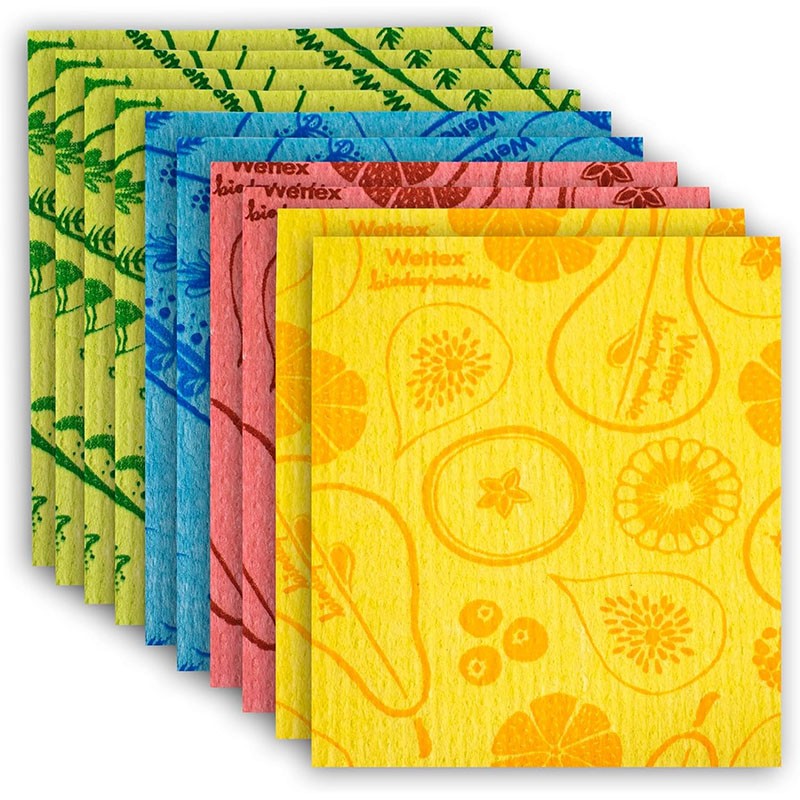
Table of Contents
- Article Outline
- Overview of Dish Cloths
- Materials and Types of Dish Cloths
- Proper Usage and Maintenance
- How to Choose the Right Dish Cloth
- Dish Cloth FAQ
- Conclusion and Contact Information
Article Outline
- Introduction and importance of dish cloths
- Material options and their benefits
- Usage techniques for hygiene and efficiency
- Maintenance practices to extend lifespan
- Selection tips based on kitchen needs
- Common questions and professional answers
- Brand mention and contact guidance
Overview of Dish Cloths
Dish cloths serve as a fundamental component of kitchen hygiene, enabling users to clean dishes, countertops, and kitchen tools effectively. They are designed to absorb water, remove food residues, and minimize bacterial growth when used and maintained properly. A high-quality dish cloth not only simplifies daily cleaning tasks but also reduces the risk of cross-contamination in busy kitchens.
In modern kitchens, dish cloths are appreciated for their versatility, durability, and eco-friendly potential. Selecting the appropriate cloth involves evaluating material composition, absorption capacity, durability, and ease of maintenance.
Materials and Types of Dish Cloths
Dish cloths are manufactured from a variety of materials, each with unique properties affecting cleaning performance, durability, and environmental impact.
| Material | Characteristics | Advantages |
|---|---|---|
| Cotton | Soft, absorbent, natural fiber | Highly absorbent, gentle on surfaces, biodegradable |
| Bamboo Fiber | Antibacterial, eco-friendly | Resists odors, durable, environmentally sustainable |
| Microfiber | Synthetic, dense fibers | Excellent absorption, removes grease and dirt effectively, quick-drying |
| Cellulose | Plant-based, biodegradable | Highly absorbent, compostable, cost-effective |
Each material type is suitable for different kitchen needs. Bamboo and cotton are ideal for everyday dishwashing, while microfiber excels in removing stubborn residues and providing streak-free finishes.
Proper Usage and Maintenance
To maintain hygiene and prolong the lifespan of dish cloths, proper usage and maintenance are crucial. Key practices include:
- Rinse thoroughly after each use to remove food particles
- Wring out excess water to prevent mold and bacterial growth
- Rotate cloths frequently to avoid overuse of a single piece
- Launder in hot water regularly and air-dry completely
- Replace worn-out or heavily stained cloths promptly
Following these steps ensures that dish cloths remain effective and safe for use, reducing the risk of contaminating dishes or surfaces.
How to Choose the Right Dish Cloth
Choosing a dish cloth depends on multiple factors including kitchen size, frequency of use, and cleaning preferences. Consider the following criteria:
- Absorption Capacity: High-absorbency cloths reduce water streaks and speed up drying.
- Durability: Materials like bamboo and microfiber extend usage lifespan.
- Surface Compatibility: Soft materials prevent scratches on delicate cookware.
- Environmental Considerations: Biodegradable materials minimize environmental impact.
- Ease of Maintenance: Machine-washable cloths simplify cleaning routines.
By evaluating these factors, users can select a dish cloth that aligns with kitchen needs and hygiene requirements.
Dish Cloth FAQ
Q: How often should a dish cloth be replaced?
A: Dish cloths should be replaced every 2–4 weeks depending on usage and material. High-frequency kitchens may require weekly replacement to maintain hygiene.
Q: Can dish cloths be sanitized in the microwave?
A: Yes, damp cotton or bamboo cloths can be microwaved for 1–2 minutes to reduce bacterial presence. Avoid synthetic microfiber as it may melt.
Q: Are bamboo dish cloths more eco-friendly than cotton?
A: Bamboo grows faster and requires less water than cotton, making bamboo cloths a more sustainable choice with natural antibacterial properties.
Q: How can dish cloths prevent cross-contamination?
A: Using separate cloths for dishes, counters, and raw food surfaces, combined with regular washing, prevents the transfer of bacteria and maintains kitchen hygiene.
Conclusion and Contact Information
A high-quality dish cloth significantly enhances kitchen hygiene and operational efficiency. Understanding material types, proper usage, and maintenance ensures that dish cloths remain effective, durable, and safe for daily kitchen tasks.
NINGBO TINGSHENG BAMBOO & WOOD CO., LTD provides a wide range of durable, eco-friendly dish cloths designed to meet diverse kitchen needs. For product inquiries, customization, or bulk orders, contact us today to receive expert guidance and professional support.
Send Inquiry



X
We use cookies to offer you a better browsing experience, analyze site traffic and personalize content. By using this site, you agree to our use of cookies.
Privacy Policy
News
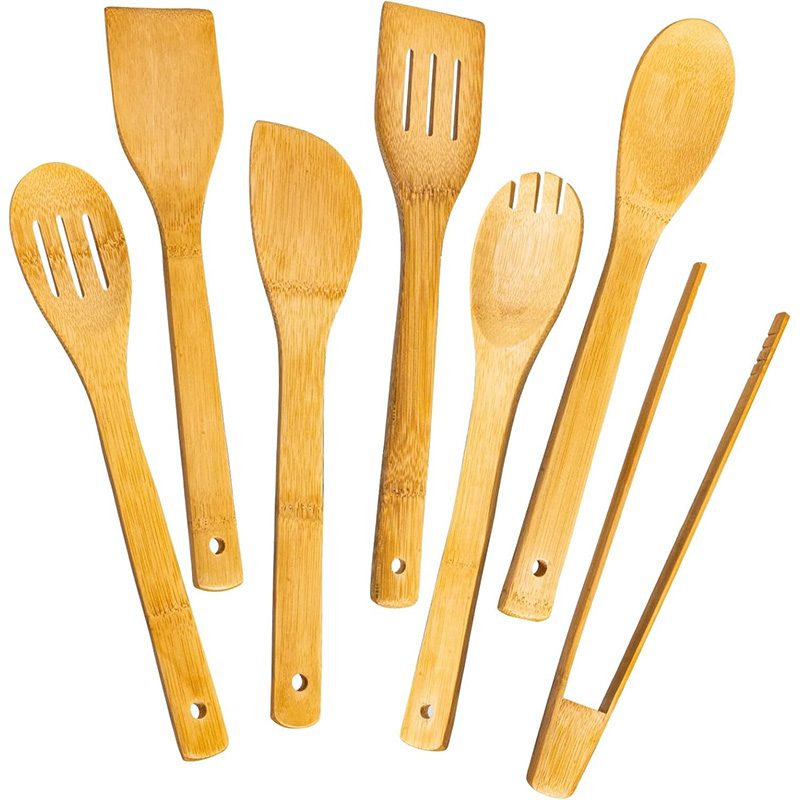 How Can High‑Heat‑Resistant Bamboo Stir Fry Spatula Protect Your Expensive Non‑Stick Cookware?2026/09/30
Cooking lovers invest heavily in premium non‑stick pots and pans, yet many of them get scratched and damaged quickly by rigid metal kitchen utensils during daily stir‑frying. A wrong spatula may ruin expensive cookware coating and shorten service life significantly. This raises a practical question ......
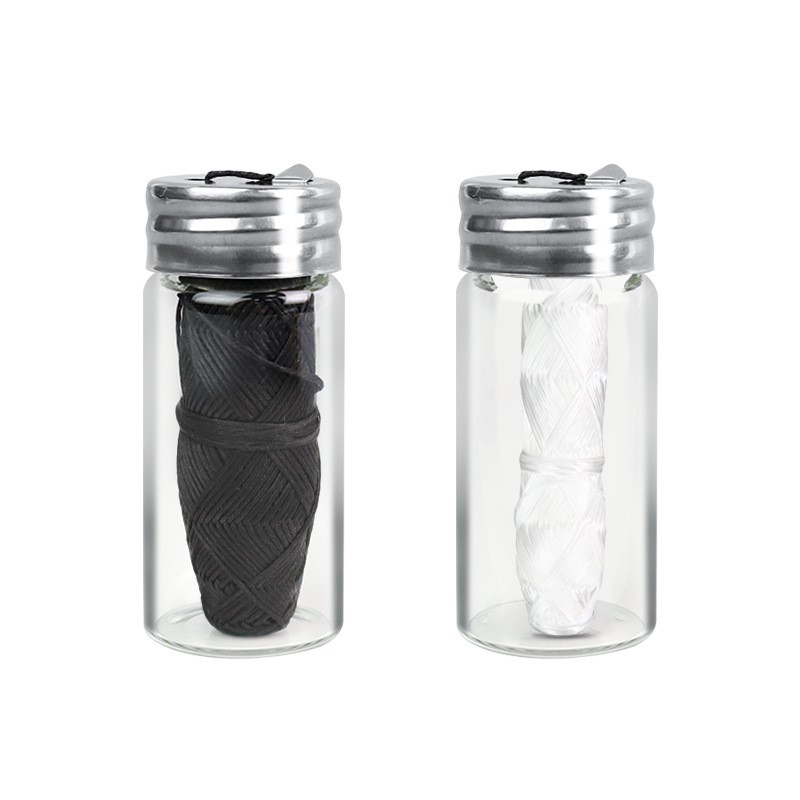 Dental Floss in Glass Jar vs Traditional Dental Floss: What Is the Difference?2026/08/05
Dental floss is a small but important part of daily oral care. While most people are familiar with traditional dental floss packed in plastic containers, a new style of oral care product has gained attention: Dental Floss in Glass Jar. At first glance, the difference may seem to be only the packa......